


Removing structural walls can significantly transform a space, offering a more open and flexible layout while maintaining the building’s structural integrity. This complex task is critical in modern architecture and renovations, as it requires a detailed understanding of a building’s load-bearing elements. Without proper execution, the integrity of the entire structure could be compromised. Thus, careful planning and execution are essential to ensure that the process of structural wall removal enhances the functionality and aesthetics of the space without jeopardizing stability.
Effective structural wall removal starts with meticulous planning. Before any work begins, a thorough assessment by engineers and architects is necessary to understand the wall’s role in supporting the building’s weight. By doing so, professionals can design a plan that incorporates temporary supports, such as beams or columns, to safely manage the building load during the process. This ensures that the removal is carried out with minimal risk, preserving the building’s integrity throughout.
Collaboration with professionals is crucial in the structural wall removal process. Structural engineers and skilled contractors are essential to navigating the complexities involved and ensuring compliance with local building codes. Their expertise not only guarantees safety but also ensures that the project adheres to the latest construction techniques and sustainability practices. By working with experienced professionals, the process of transforming a space through structural wall removal becomes both efficient and safe.
Structural walls play a critical role in the stability and integrity of any building. These robust partitions are specifically designed to support the weight of a structure, ensuring that force is evenly distributed throughout the building. When considering structural wall removal, comprehending their function is essential to prevent compromising the structure’s overall stability.
Structural walls are engineered to bear vertical loads, transferring them down to the foundation. This distribution is crucial, especially in multi-story structures, where the weight from each floor accumulates. Inappropriate structural wall removal can disrupt this balance and lead to serious structural failures, hence the necessity for meticulous planning and execution.
Understanding the purpose of structural walls goes beyond mere load distribution. It’s about preserving the building’s integrity and safety. Before embarking on structural wall removal, professionals conduct detailed assessments to anticipate potential challenges and ensure compliance with safety standards. Proper knowledge and planning facilitate safer transitions, avoiding costly mistakes and ensuring that the building maintains its intended design.
By unraveling the complexities of structural walls, building professionals can better manage changes and innovations while ensuring long-term safety and durability.
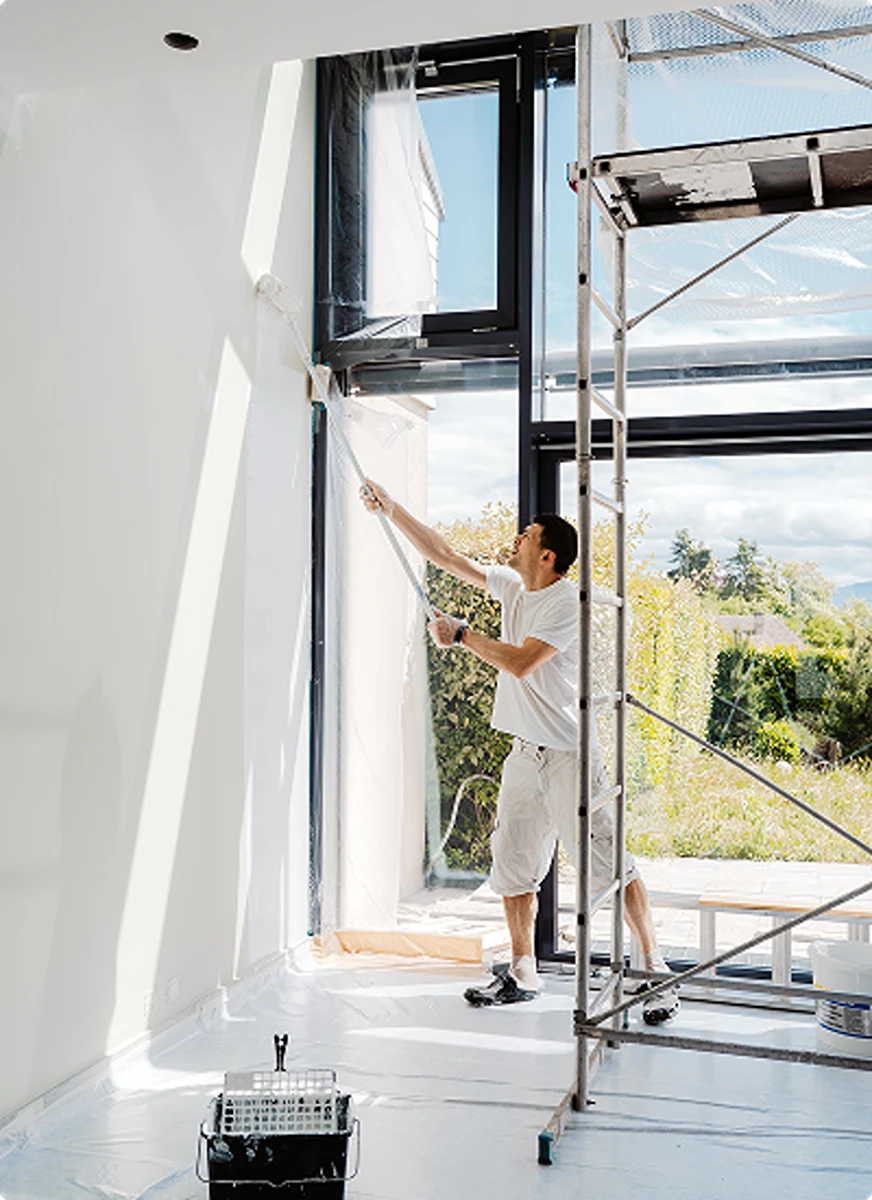
Planning for structural wall removal requires meticulous consideration of various factors to ensure the project’s success and the building’s integrity. Key considerations include understanding the building’s design and conducting thorough structural assessments. Collaborating with experienced engineers and architects is imperative as they evaluate the wall’s role in bearing the building’s weight. This preparation ensures that all necessary temporary supports, such as beams or columns, are correctly installed to prevent any structural mishaps during the removal process.
The building’s design plays a critical role in planning for structural wall removal. An in-depth examination of the architectural blueprints and existing structural layouts is necessary to understand how the load is distributed within the structure. This step determines the essential supports needed to maintain the building’s stability while modifications are made.
Maintaining structural integrity is paramount when performing structural wall removal. Projects should include the installation of permanent replacements like steel beams to effectively redistribute the load. Compliance with local building codes and securing the necessary permits are also fundamental in ensuring project safety and legality.
Such meticulous planning can mitigate unforeseen challenges and facilitate a safe and efficient structural wall removal process.
Determining whether a wall is load-bearing is a crucial first step in the process of structural wall removal. Engineers and architects play a vital role in this assessment, as they must meticulously evaluate the wall’s significance in supporting the building’s weight. This delicate procedure begins by examining the building’s original plans, which help identify which walls are fundamental to its stability. Engineers may also conduct visual inspections and employ specialized tools to gauge the wall’s role within the structure’s framework.
An accurate visual evaluation is essential in assessing load-bearing walls. Architects and engineers often look for specific indicators, such as the direction of floor joists and the wall’s position relative to the building’s layout. Specialized tools, like laser levels and load-bearing calculators, assist in determining the precise pressure a wall bears. This information is critical before proceeding with structural wall removal to avoid compromising the building’s integrity.
Professional insight is indispensable when distinguishing load-bearing walls from non-load-bearing ones. Engineers use their expertise to calculate the load distribution and ensure that any modification, such as structural wall removal, won’t lead to structural failure. This thorough assessment provides the foundation for safe structural wall removal, ensuring compliance with local building codes and the overall safety of the construction project.
The removal of a structural wall is a meticulous task that demands specific tools and equipment to ensure safety and efficiency. One of the key pieces of equipment is the sledgehammer, essential for breaking the initial surface. Its robust design allows for targeted force application, which is necessary for loosening sections of the wall. Another crucial tool is the reciprocating saw, commonly used for cutting through wooden studs and other materials. It’s valued for its precision and control, minimizing the risk of damage to surrounding structures.
During structural wall removal, temporary supports such as adjustable steel props are indispensable. These props maintain structural integrity by bearing the load during the demolition process. Laser levels are also commonly used to ensure precise measurements and alignments, crucial for maintaining balance throughout the project. Proper use of these tools helps prevent accidents and structural failures.
Ensuring efficiency and precision requires the use of specific tools like hammer drills and wall scanners. Hammer drills are used for creating holes in concrete surfaces, which can be necessary for installing new supportive beams. Wall scanners help in detecting hidden pipes or wires, preventing accidental damage. The strategic use of these tools contributes significantly to the safe and efficient process of structural wall removal.
Lastly, essential hand tools such as chisels and pry bars are necessary for detailed work during structural wall removal. Chisels are useful for fine shaping and removing small sections, whereas pry bars assist in separating tightly joined components. The correct use of these hand tools ensures that all aspects of the demolition process are conducted with precision.

In structural wall removal, ensuring the building’s stability is paramount, particularly during the transition phase. Temporary supports, such as beams and columns, play a vital role in maintaining structural integrity throughout this process. By taking on the load previously borne by the wall, these supports prevent potential collapses, thereby ensuring the safety of workers involved. Engineers carefully design and install these supports to cater to the specific load requirements, safeguarding the structure effectively during the removal process.
Beams and columns are crucial in the structural wall removal process, acting as temporary reinforcements. They are meticulously placed to bear the load with precision, preventing any unforeseen structural shifts. Their correct installation is vital to allow the structural wall removal to proceed without incident, maintaining a safe work environment.
Safety during structural wall removal is ensured by thoroughly assessing the load-bearing capacity of these temporary supports. Engineers must constantly monitor the stability of these supports throughout the procedure. Employing advanced techniques and materials enhances their reliability, contributing significantly to on-site safety during this complex task.
Removing a structural wall is a complex process, and ensuring the building’s stability afterward is paramount. The installation of permanent solutions like steel beams plays a key role in this. Steel beams are favored for their strength and ability to effectively redistribute weight once a structural wall is removed. The choice of materials must account for the building’s specific needs and its load-bearing requirements.
Choosing the right materials when dealing with structural wall removal is crucial. Steel beams are particularly effective due to their durability and ability to support significant weight. However, the decision to use steel or other materials should be guided by a careful assessment of the building’s overall structural integrity. Engineers and architects will recommend solutions that ensure compliance with local building codes and promote safety.
Installing permanent solutions goes beyond merely choosing materials; it also involves addressing various logistical factors. It is essential to account for the building’s design, the load distribution, and the ease of installation. Furthermore, sustainability is becoming a growing concern, so efforts to recycle materials where possible are recommended. Considering these factors will ensure the process of structural wall removal is not only effective but also environmentally responsible.
Adhering to local building codes and securing the appropriate permits are essential aspects of the structural wall removal process. These steps ensure that the modifications to a building’s structure do not compromise its safety and integrity. It is crucial to research and understand the specific regulations relevant to your locale before commencing any demolition work. Failure to do so can result in costly fines, project delays, or even structural failures, making compliance non-negotiable.
The first step in ensuring compliance with building codes during structural wall removal is consulting with a certified engineer or architect. These professionals are trained to conduct assessments that determine what permits are necessary. Once the permits are identified, the next step involves preparing and submitting detailed plans to the local authorities for approval. This ensures that all aspects of the structural wall removal meet the required safety standards, thereby preventing any legal or structural issues from arising.
Advancements in technology have streamlined the permit acquisition process. Many jurisdictions now offer online platforms for submitting documentation and tracking the approval status of structural wall removal projects. Additionally, modern construction technologies facilitate better planning and execution, making it easier to adhere to building codes. Utilizing these advancements can speed up the process of compliance, allowing for a more efficient and safer wall removal operation.
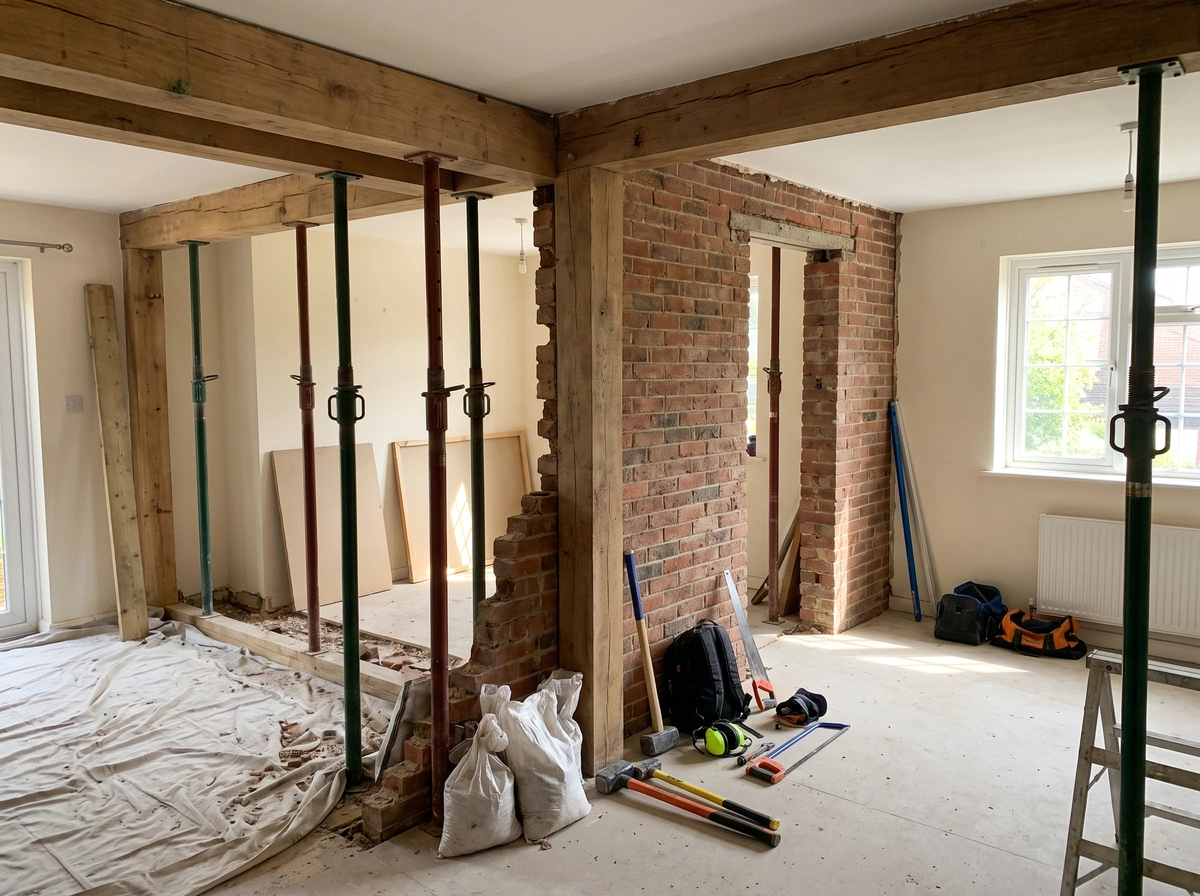
Structural wall removal presents various challenges that can impact the success of a project. Unforeseen structural issues often emerge, such as hidden utilities or unexpected loads, complicating the demolition process. Proper planning is essential to anticipate such hurdles. Engineers routinely conduct comprehensive assessments to identify potential challenges. Effective communication between all parties involved, including contractors and engineers, can streamline the process, ensuring that surprises are addressed promptly.
Structural wall removal may also encounter design complications, particularly when integrating new architectural elements. To overcome these, incorporating advanced design software and simulations can assist in visualizing potential issues before they arise. These technologies facilitate precise calculations and adjustments, enabling smoother transitions from demolition to construction. Regular collaboration among architects and builders is crucial to align on the project’s vision and technical requirements.
Safety is a paramount concern during structural wall removal. Implementing temporary supports, such as beams or columns, is crucial to maintain structural integrity while the wall is dismantled. Routine inspections and adherence to safety protocols help minimize risks. Investing in training for all construction personnel ensures they are equipped with the latest safety knowledge and practices, contributing to a safer work environment.
Integrating sustainability into the structural wall removal process is essential for modern construction projects. This approach focuses on minimizing waste and maximizing the reuse of materials, thereby reducing the environmental impact of construction activities. By incorporating eco-friendly practices, the process not only conserves valuable resources but also aligns with global sustainability goals.
One effective strategy for sustainable structural wall removal involves using deconstruction methods. Unlike demolition, deconstruction carefully dismantles the wall, allowing for the salvage of materials like bricks, wood, and steel. This method significantly reduces the amount of waste sent to landfills. Additionally, implementing advanced technologies can enhance precision, further minimizing resource wastage during the removal process.
Recycling is a cornerstone of sustainability in structural wall removal. Materials such as concrete and metal can be processed and reused in future projects, effectively closing the loop and minimizing environmental impact. Additionally, selecting low-emission equipment and tools during the removal process contributes to reducing carbon footprints. Prioritizing these eco-friendly practices encourages a sustainable approach to construction, benefiting both the environment and society.
Considering these sustainable methods not only enhances the efficiency of structural wall removal but also ensures that projects contribute positively to global environmental objectives.
During structural wall removal, one of the most common mistakes is inadequate planning. Many projects dive into the process without a thorough understanding of the wall’s structural significance, leading to potential safety hazards and increased costs. It is imperative to involve engineers or architects early, as they can accurately assess the wall’s role in supporting the building and advise on the appropriate temporary supports needed during the removal. This step is indispensable to ensuring that no structural failures occur once the wall is taken down.
Another frequent error is the disregard for local building codes and permit requirements. Structural wall removal without proper authorization can result in hefty fines and unsafe conditions. Obtaining necessary permits and ensuring compliance with regulations not only align with legal obligations but also provide peace of mind that all safety standards are being met. Engaging with local authorities and adhering to their guidelines is essential to avoid legal complications and ensure a successful project.
In today’s construction landscape, sustainability is more than a trend; it’s a crucial consideration. Overlooking the recycling of materials or minimizing waste during structural wall removal can significantly impact a project’s environmental footprint. Implementing strategies such as reusing materials where possible and integrating sustainable practices ensures that the project is environmentally responsible. This approach not only benefits the environment but can also result in cost savings.

Over recent years, technological advancements have significantly transformed the process of structural wall removal, enhancing both safety and efficiency. Innovations in construction tools, materials, and methods have played a pivotal role in this transformation. For instance, modern demolition robots are equipped with precision tools that allow for controlled dismantling of structural walls, minimizing human involvement and reducing risks on site. Enhanced safety gear, such as exoskeleton suits, also provides workers with added protection and support, ensuring healthier working environments.
The development of high-strength alloys and composite materials has revolutionized how structural wall removal is approached. These materials provide robust temporary supports during the demolition process, ensuring that the structural integrity of the building remains intact. Additionally, the use of lightweight yet durable materials enables easier handling and installation of permanent supports, such as steel beams, following the removal of the initial structure. By using these advanced materials, projects can not only meet safety standards but often exceed them.
The incorporation of digital tools, such as Building Information Modeling (BIM), allows for comprehensive planning and visualization of structural wall removal projects. This technology facilitates a clear understanding of a building’s load dynamics, ensuring precise placement of temporary supports and optimal design of replacement structures. Moreover, the use of drones for site inspections has reduced the time and risk associated with manual checks, providing real-time data and enhanced oversight. Together, these advancements underscore how technology continues to drive safer and more effective structural wall removal practices.
Collaboration between engineers and architects is fundamental to the successful execution of structural wall removal projects. Engineers provide a comprehensive assessment of the wall’s contribution to the building’s stability, ensuring that the removal does not compromise structural integrity. They carefully plan the redistribution of weight, often recommending temporary supports like beams or columns. Architects, on the other hand, focus on the design aspects, envisioning how the new space will meet the client’s needs while maintaining aesthetic appeal.
Both engineers and architects play distinct yet interdependent roles. Engineers assess structural requirements, ensuring the building remains safe during the removal process. Architects work on design aspects, aligning them with functional requirements and client expectations. Their combined expertise is crucial to meeting both safety and design standards in structural wall removal projects.
Another key aspect of this collaborative approach is securing compliance with local building codes and obtaining necessary permits. By working together, engineers and architects ensure that every stage of the structural wall removal project meets regulatory requirements. Their joint efforts minimize the risk of delays or legal issues, ultimately leading to a smoother project execution.
One remarkable structural wall removal project took place in a historic office building in downtown Chicago. The challenge was to create an open-plan workspace while preserving the building’s architectural integrity. Engineers conducted a detailed analysis to understand the load-bearing nature of the walls. Advanced construction technology played a crucial role, allowing precise installation of temporary supports and ensuring safety throughout the process.
In another inspiring project, a mid-century home was transformed to accommodate modern living. The structural wall removal required innovative techniques to maintain the home’s characteristic features. Engineers used steel beams to redistribute the weight, effectively managing the challenge. The project not only enhanced the space but also raised the home’s energy efficiency by allowing more natural light.
One notable commercial renovation involved the structural wall removal of several interior walls to create a seamless retail space in New York. The process faced complexities due to the building’s age and the need to adhere to strict building codes. However, careful planning, execution, and sustainable practices ensured compliance and success. These projects highlight not only technical expertise but also the transformative potential of structural wall removal.